Let's Connect
Whenever peak season hits for you, understand how the right technology can give you the competitive edge during your busiest months.

say stress impacts driving 1
of goods moved by HGVs GB-registered in 2025 2
per driver/year wasted due to unnecessary idling 3
Peak season doesn't wait. And neither should your logistics strategy.
As pressure mounts across the supply chain, the cost of being unprepared has never been higher. But the most successful operators don't simply react when demand spikes; they plan ahead.
Using smarter peak season logistics and fleet management strategies, it's possible to improve efficiency, maintain service levels and stay ahead of the competition.
Read our latest blog post to find out what it takes to keep your operation moving when pressure is at its highest.
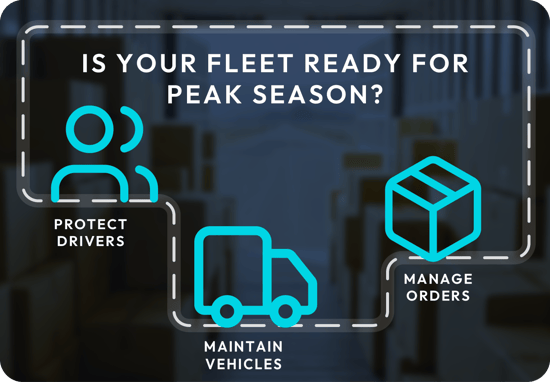
Peak season creates pressure at every stage of the logistics journey. The right technology helps operators plan earlier, react faster,
deliver more accurately and prove every outcome.
Long hours, shifts, health pressures and day-to-day stress can all affect drivers before they even get behind the wheel. During peak season, those pressures can intensify.
At the Microlise Transport Conference, the Road Haulage Association hosted a panel discussion exploring HGV driver health, including fatigue, and the role operators can play in supporting driver wellbeing.
Catch more from MTC26.
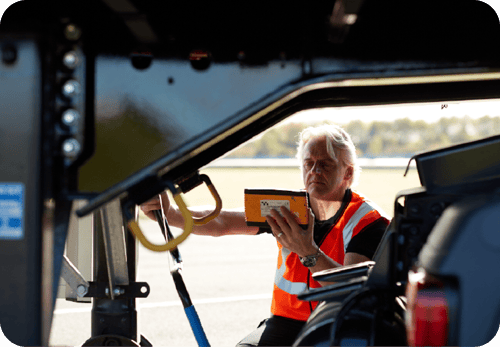
When activity ramps up and peak season is in full swing, are your vehicles ready to handle the added strain?
A proactive approach to fleet maintenance builds resilience with your fleet to ensure your vehicles can make those deliveries when it matters most.
Missed ETAs, tight delivery windows and dissatisfied customers do not need to define your peak season.
Explore how you can go beyond electronic Proof of Delivery and improve every stage of the delivery process.
Peak season in logistics is the busiest period when delivery volumes, customer expectations and operational pressure increase. In UK transport and logistics, this often builds around retail, e-commerce, Black Friday, Christmas and other seasonal demand spikes, putting added strain on drivers, vehicles, routes and order fulfilment.
Logistics teams should start preparing for peak season before demand begins to rise, ideally several months ahead of the busiest period. Early planning gives operators time to review driver availability, vehicle readiness, maintenance schedules, route plans, customer expectations and contingency processes before pressure builds.
Logistics teams can prepare for peak season by reviewing three core areas: drivers, vehicles and orders. That means checking driver availability and workload, completing vehicle maintenance and defect reviews, forecasting order volumes, assessing route capacity, improving customer communication and making sure teams have visibility of issues as they happen.
Technology that can help with peak season logistics planning include:
Whenever peak season hits for you, understand how the right technology can give you the competitive edge during your busiest months.